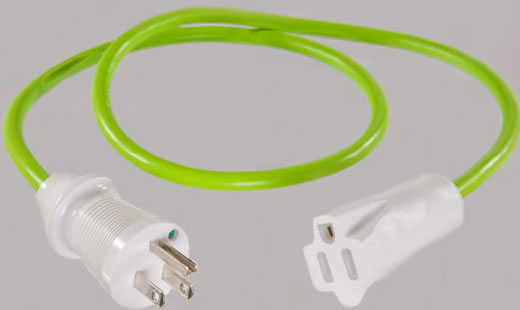
These specialized power cords are built and designed with specific needs in mind, which is why you should only buy from trusted generator power cord manufacturers in order to ensure you are receiving a product that will work for your specific application. Read More…
Our customers find we have the highest standards when it comes to quality, and delivery. Quail Electronics is a worldwide power cord supplier, offering power cords and various other products.
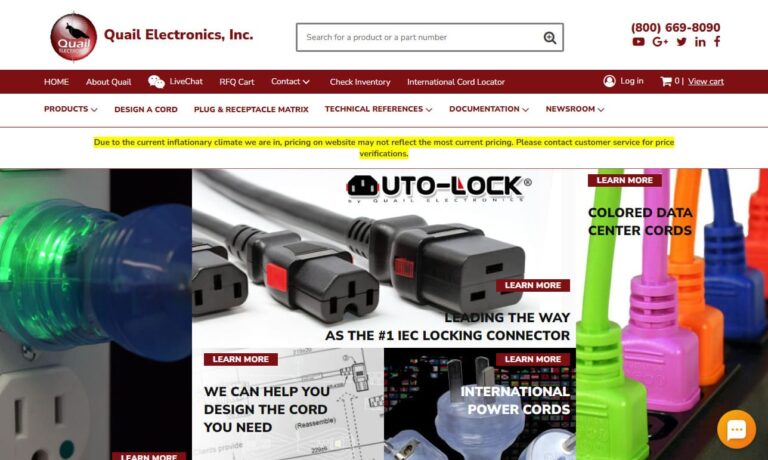
All of our power cords are tested and stand up to rigorous demands of everyday application. We serve a global market including the United Kingdom, Ireland, Germany, Switzerland, Austria and of course the United States.
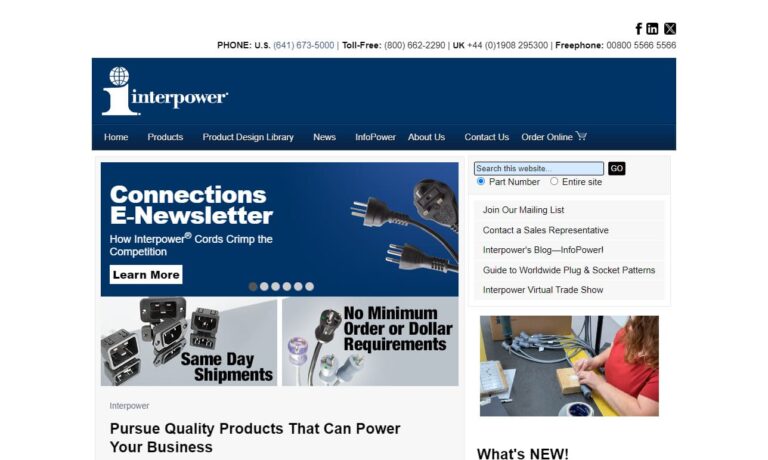
US Cordset Manufacturing provides power-supply products to various categories of customers from domestic to industrial. Our line of products include wiring harnesses, Coiled cords, extension cords, processed wires, high voltage twist lock cords, and more. Whether your requested electrical configuration is simple or intricate, our expert staff is ready to help.

Our plug adapters are guaranteed to bring you a lifetime of value. Our staff is committed to bringing you only the most reliable products that are available. We will find solutions for your cord needs regardless of how difficult the job may be.

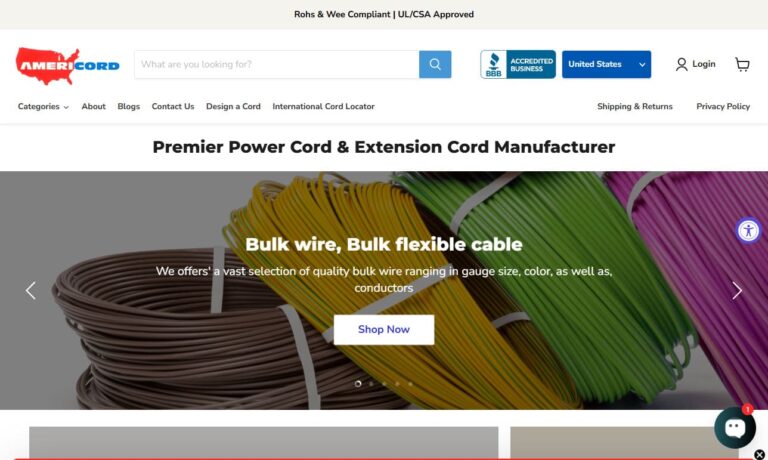
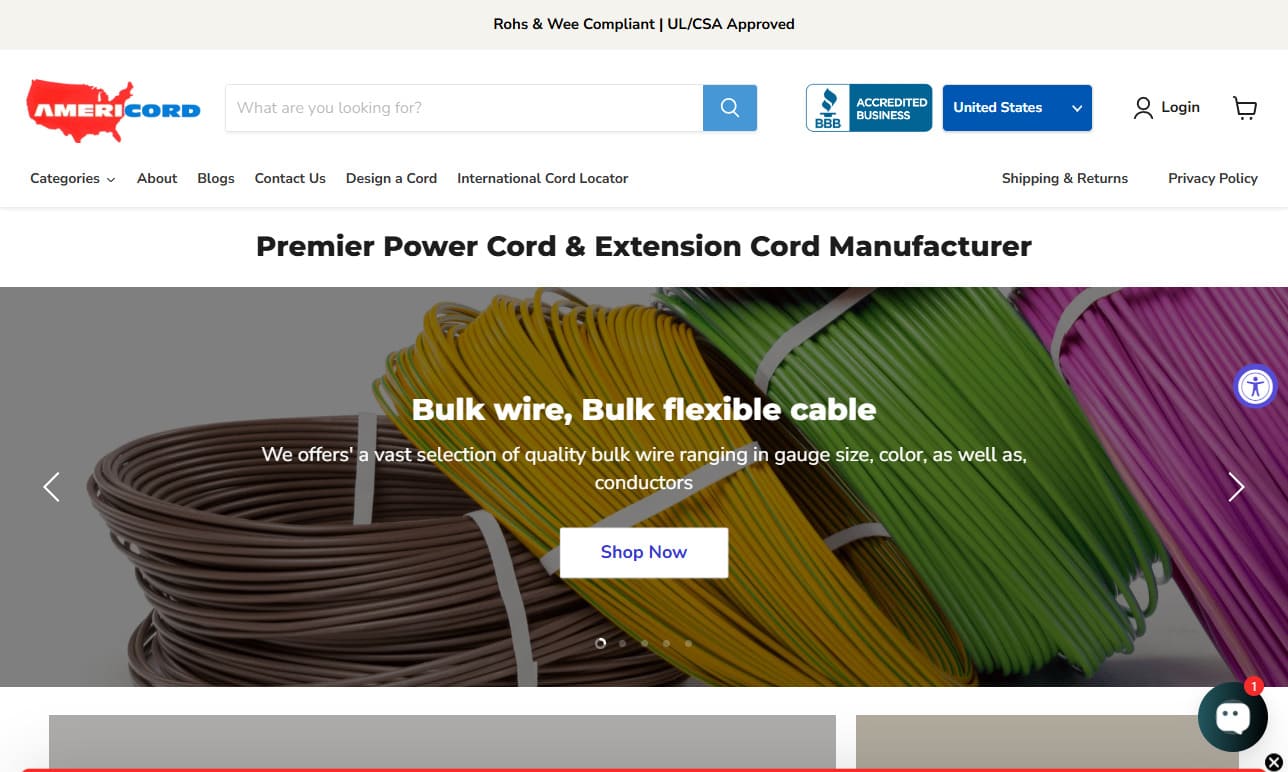
At Americord, we dedicate ourselves to delivering high-quality power cords and custom wiring solutions that meet the demands of diverse industries. We design and manufacture durable cords that are tailored for performance, safety, and reliability, serving applications ranging from consumer electronics and industrial machinery to specialized equipment requiring precise electrical connectivity.
At Cord-Sets, we dedicate ourselves to delivering high-quality power cord solutions that meet the needs of industries across the globe. We specialize in designing and manufacturing power cords, cord sets, and related components that are engineered for durability, safety, and reliable performance.





More Generator Power Cord Manufacturers
Choosing the Right Generator Power Cord: A Comprehensive Guide
When selecting a generator power cord, understanding amperage requirements, voltage needs, and cord specifications is essential for safe, reliable, and efficient power delivery. Whether you are powering up your home during an outage, connecting tools on a construction site, or providing backup electricity for critical equipment, the right generator extension cord will ensure your generator operates at peak performance and keeps your devices safe from electrical hazards.
Why Generator Power Cord Specifications Matter
Generator power cords are manufactured and rated to specific standards to guarantee the appropriate amperage and minimize voltage drop. The length and gauge (AWG) of the wire play a crucial role: A cord that is too long or too thin can lead to excessive power loss, overheating, or even equipment failure. For this reason, you cannot simply join two smaller cords—no matter if they share the same amperage rating—like you would with standard extension cables. The integrity and safety of your power connection depend on using a single, continuous cord of the correct length and wire thickness.
Looking for the best generator power cord for your needs? Ask yourself:
- What is the maximum amperage my generator and devices require?
- How far will the cord need to run from the generator to the load?
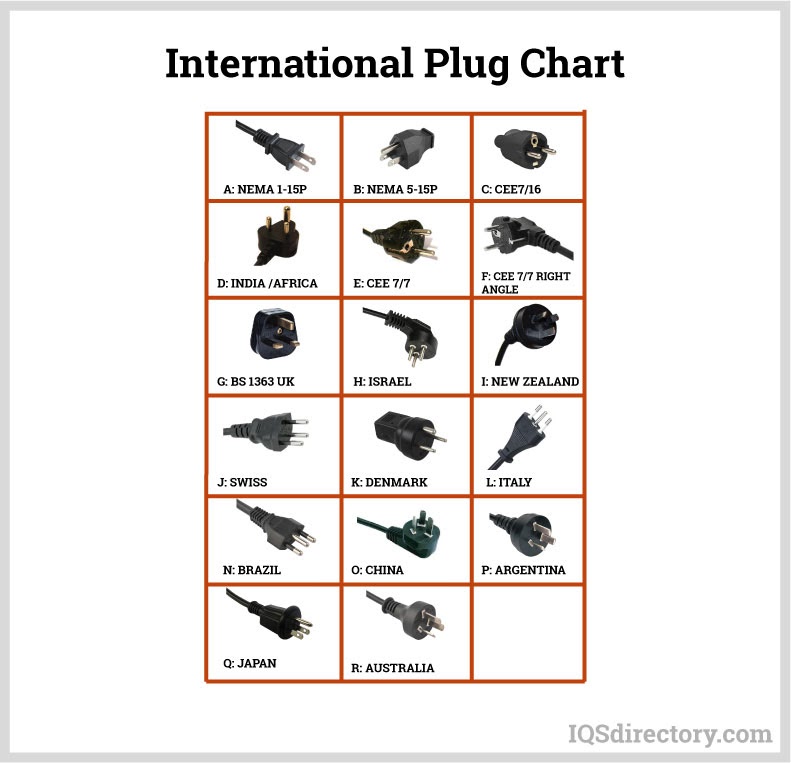
- What plug and connector types are compatible with my generator and appliances?
- Do I need a weather-resistant cord for outdoor or rugged environments?
How Cord Length and Wire Gauge Affect Performance
The length and wire size of your generator power cord are engineered to ensure minimal line loss and safe, efficient power transfer. Adding extra length by connecting multiple cords not only voids the design but also increases resistance, which reduces the voltage available at the receiving end and can cause motors or appliances to underperform or overheat. Only a properly sized, continuous cord will deliver the correct amperage safely over the required distance.
When shopping for generator cords, you’ll encounter a range of gauge (AWG) sizes. Thicker wires (with lower AWG numbers) carry more current with less resistance, making them suitable for higher amperage and longer runs. For example, a 10-gauge generator cord is common for 30-amp connections, while 12- or 14-gauge cords may be used for lighter loads or shorter distances.
How to Calculate the Correct Cord Size for Your Application
- Step 1: Determine the wattage and amperage of your generator and connected devices.
- Step 2: Measure the required distance from the generator to the load.
- Step 3: Reference an ampacity chart or consult with a generator power cord manufacturer to match your load and distance with the proper wire gauge.
- Step 4: Choose a cord with matching connectors and plugs for your generator and appliances.
Types of Generator Power Cords and Connectors
There is a wide variety of generator power cords available, ranging from 15 amp to 30 amp ratings, and featuring several types of connectors to fit different generator and appliance configurations. Choosing the correct generator extension cord ensures compatibility and safety.
Common Generator Cord Plug and Connector Types
- 5-15P/5-20P: Standard straight-blade plugs for 15 and 20 amp circuits, often found on smaller portable generators.
- L5-30P: Twist-lock plug for 30 amp, 125V circuits—provides a secure connection, ideal for mid-size generators.
- L14-30P: Twist-lock plug for 30 amp, 125/250V circuits—common for home backup generators and transfer switches.
- TT-30P: RV-style, 30 amp, 125V plug—perfect for recreational vehicles and travel trailers.
- CS6364: 50 amp, 125/250V twist-lock connector, typically used for heavy-duty applications or large generators.
Understanding the receptacle labels on both your generator and the cord—such as L14-30P, which indicates a twist-lock, 30 amp plug—helps you identify the right match for your setup. Familiarizing yourself with this terminology allows for a more informed purchasing decision and streamlines communication with suppliers or experts.
Custom vs. Pre-Made Generator Power Cords
Many generator power cord manufacturers offer both off-the-shelf solutions and the option to build your own custom generator power cord. Customization allows you to select the exact wire gauge, cord length, and connector types to optimize your power delivery and minimize voltage loss for your unique application. This is especially valuable for scenarios where standard cords do not meet specific distance, amperage, or environmental requirements.
If you have unique demands—such as extreme weather resistance, abrasion-proof jackets, or specialized connectors—consult with a generator power cord manufacturer to discuss your project. Custom cords can be built to order, ensuring safety, reliability, and code compliance.
Applications and Use Cases for Generator Power Cords
Generator power cords are vital in a variety of commercial, industrial, and residential scenarios. Some of the most common use cases include:
- Home Backup Power: Connecting portable or standby generators to home transfer switches or essential appliances during power outages.
- Construction Sites: Supplying temporary power to tools, lighting, and equipment in outdoor or remote locations.
- Recreational Vehicles (RVs): Enabling RVs and campers to hook up to portable generators for off-grid power.
- Events and Outdoor Venues: Powering sound systems, lighting, and food service equipment for concerts, fairs, and festivals.
- Industrial Facilities: Providing backup power to critical systems and machinery during maintenance or emergencies.
- Marine Applications: Supplying shore power or temporary backup for boats and dockside equipment.
Expanding on Key Generator Power Cord Applications
Understanding where generator power cords excel can help you select the right product for your unique scenario. For homeowners, a high-quality, weatherproof power cord is essential for connecting a portable generator to a transfer switch, ensuring seamless backup during blackouts. If you’re a contractor, investing in a durable, heavy-duty cord rated for jobsite use boosts safety and productivity. For event coordinators or venue managers, selecting cords with locking connectors and high visibility jackets can help manage power distribution safely among multiple vendors or performers.
In industrial settings, generator power cords must often meet stringent standards for chemical resistance, flexibility in cold weather, and compliance with OSHA and NEC codes. Likewise, marinas and boat owners require cords that will resist saltwater corrosion and rugged handling. If you’re in the RV community, look for cords designed for frequent connection/disconnection and compatibility with campground pedestal outlets.
Benefits of the Right Generator Power Cord
Investing in the proper generator power cord delivers significant advantages:
- Safety: Correctly rated cords prevent overheating, fire risk, and equipment damage.
- Efficiency: Proper gauge and length reduce voltage drop, maximizing generator performance.
- Reliability: Quality cords withstand repeated use and harsh environments, ensuring dependable connections.
- Compliance: Meeting local electrical codes and standards for portable and standby generator installations.
- Flexibility: Customization options allow you to address unique power challenges in a variety of environments.
Additional Benefits for Specific Use Cases
- Reduced Downtime: In industrial and commercial environments, using the correct generator power cord ensures critical systems remain operational during outages, preventing costly interruptions.
- Enhanced Portability: Lightweight yet durable cords allow for easy deployment and storage, ideal for mobile applications like RV camping, food trucks, and outdoor events.
- Weatherproof Performance: Cords rated for outdoor use are constructed with heavy-duty jackets that repel water, oil, and UV exposure, ideal for unpredictable climates.
- Easy Maintenance and Inspection: High-visibility jackets help users quickly spot damage or wear, reducing the risk of unnoticed electrical hazards.
Factors to Consider When Buying Generator Power Cords
Before purchasing a generator power cord, consider these key decision factors to ensure long-term satisfaction and safety:
- Amperage and Voltage Rating: Match the cord’s ratings to your generator’s output and the devices being powered.
- Cord Length: Measure the distance from generator to load and select the shortest cord possible to minimize voltage loss.
- Wire Gauge: Heavier gauge (thicker) wires are necessary for higher amperage or longer runs.
- Plug and Connector Type: Ensure compatibility with both generator and appliances—double-check twist-lock or straight-blade requirements.
- Weather Resistance: Outdoor or wet-location use demands cords with rugged, water-resistant jackets.
- Certifications: Look for UL, CSA, or ETL listed cords to guarantee safety and code compliance.
- Custom Features: Consider built-in indicator lights, GFCI protection, or cord storage solutions.
Evaluating Generator Power Cord Quality and Value
What separates a premium generator power cord from a basic extension cord? Look for robust molded plugs, reinforced strain reliefs, flexible jackets for easy handling, and markings that indicate compliance with industry standards. For buyers seeking long-term value, cords with lifetime warranties or service guarantees may offer extra peace of mind.
Decision tip: If you’re unsure which cord meets your needs, ask: “Is this cord designed for heavy-duty outdoor generator use?” or “Does it support my generator’s rated amperage and voltage over the required distance?” When in doubt, consult with a generator power cord supplier for expert guidance.
Frequently Asked Questions About Generator Power Cords
- What size generator cord do I need? The right size depends on your generator’s output (wattage/amperage), the load you’re powering, and the length of the cord run. Use an ampacity chart or speak with a manufacturer for guidance.
- Can I use a regular extension cord with my generator? Standard household extension cords are not designed for the high amperage of generators and can overheat or pose fire risks. Always use cords rated specifically for generator use.
- Is it safe to connect two generator power cords together? No. Connecting cords increases resistance and voltage drop, reducing safety and performance. Always use a single, properly sized cord.
- How do I know if my generator power cord is weatherproof? Look for cords with outdoor-rated, water-resistant jackets and certifications for wet or rugged conditions.
- Where can I find custom generator power cords? Many manufacturers offer custom solutions tailored to your electrical requirements. Contact a generator power cord manufacturer to discuss your needs.
- Do generator cords work with transfer switches? Yes, as long as the cord’s plug matches the transfer switch’s receptacle and is rated for the correct amperage and voltage. Always verify compatibility before purchase.
- What is a GFCI generator cord? A GFCI (Ground Fault Circuit Interrupter) generator power cord provides added protection against electrical shock, especially useful for outdoor or wet environments.
- How should I store my generator cord during the off-season? Coil the cord loosely, avoid sharp bends, and store it in a dry, cool area away from direct sunlight or chemicals.
How to Maintain and Store Your Generator Power Cord
Proper maintenance extends the life of your generator extension cord and ensures safe operation. Follow these best practices:
- Inspect cords for cuts, abrasions, or exposed wires before each use.
- Keep connectors dry and clean; avoid exposure to corrosive chemicals or solvents.
- Store cords loosely coiled in a cool, dry place—avoid sharp bends or kinks that could damage internal wires.
- Replace any cord that shows signs of wear, damage, or overheating.
- Label cords for their designated use to prevent accidental overload.
- Clean cord jackets periodically with a damp cloth to remove dirt or debris that could compromise insulation.
- Use cord reels or storage bags to prevent tangling and to organize multiple cords by application or rating.
Safety Reminders for Generator Power Cord Use
- Do not operate generator cords in standing water or snow unless specifically rated for wet environments.
- Never exceed the cord’s rated amperage or voltage.
- Always unplug and inspect the cord before moving or storing your generator.
- Keep cords away from high-traffic areas to prevent tripping hazards or accidental damage.
How to Get Expert Advice on Generator Power Cords
There are many variables to consider when choosing a generator power cord. Consulting with a knowledgeable generator power cord manufacturer or electrical supplier ensures you’ll receive the best possible product for your application. These experts can help you:
- Calculate the correct wire gauge and cord length for your generator and load.
- Select compatible plugs and connectors for seamless integration.
- Choose weatherproof or heavy-duty cords for demanding environments.
- Meet all local electrical codes and safety standards.
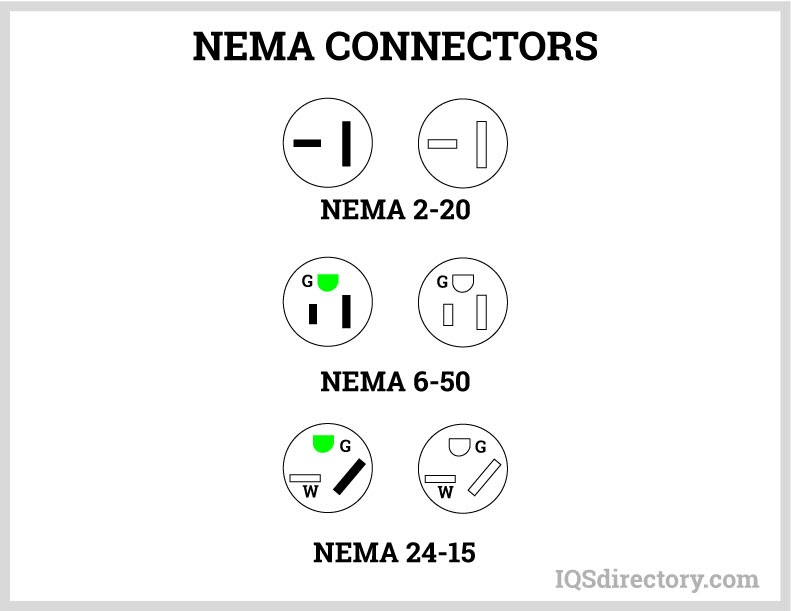
- Understand industry terminology, such as NEMA designations and ampacity ratings.
- Get recommendations for reputable generator accessory brands and suppliers.
What to Ask When Consulting a Generator Power Cord Supplier
- What cord length and gauge best suit my generator model and intended use?
- Are there specific cord types recommended for my environment (outdoor, marine, industrial)?
- Can you provide documentation or certification for code compliance?
- What warranty or support is available for your generator cords?
Ready to Find the Best Generator Power Cord?
Whether you’re a homeowner preparing for emergencies, a contractor needing reliable jobsite power, or an industrial facility manager seeking backup solutions, the right generator power cord is a key investment in safety and performance. Don’t compromise—choose a cord that meets your unique requirements for amperage, voltage, length, and environment.
Want to browse trusted suppliers or learn more about custom options? Explore generator power cord manufacturers to compare solutions, request quotes, or speak with an expert about your project.
Still have questions about generator extension cords?
Explore these topics to help you make an informed purchase:
- How to choose the right gauge (AWG) for your generator cord
- Steps for safely connecting a generator to your home
- Best generator cords for RV and camping
- Understanding electrical receptacle types and compatibility
- Where to buy quality generator power cords
- How does voltage drop affect my generator cord performance?
- Generator power cord vs. standard extension cord: What’s the difference?
- Maintenance tips for extending generator cord life
Conclusion
Selecting the right generator power cord is not just about matching amperage or buying the longest cord available. It’s about understanding your power requirements, ensuring compatibility, and prioritizing safety and efficiency. With a wide array of cord types, gauges, and custom options, there’s a solution for every application—from home backup to industrial power distribution. Take the time to assess your needs, consult with experts, and invest in a quality cord that will deliver reliable power when you need it most. For tailored advice or to start your search, reach out to a reputable generator power cord manufacturer and power your world with confidence.

 Electric Coils
 Electric Switches
 Electric Transformers
 Electronic Connectors
 Electronic Enclosures
 EMI Shielding
 Membrane Switches
 Power Cords
 Static Eliminators
 Castings & Forgings
 Bulk Material Handling
 Electrical & Electronic Components
 Flow Instrumentation
 Hardware
 Material Handling Equipment
 Metal Cutting Services
 Metal Forming Services
 Metal Suppliers
 Motion Control Products
 Plant & Facility Equipment
 Plant & Facility Supplies
 Plastic Molding Processes
 Pumps & Valves
 Recycling Equipment
 Rubber Products & Services